
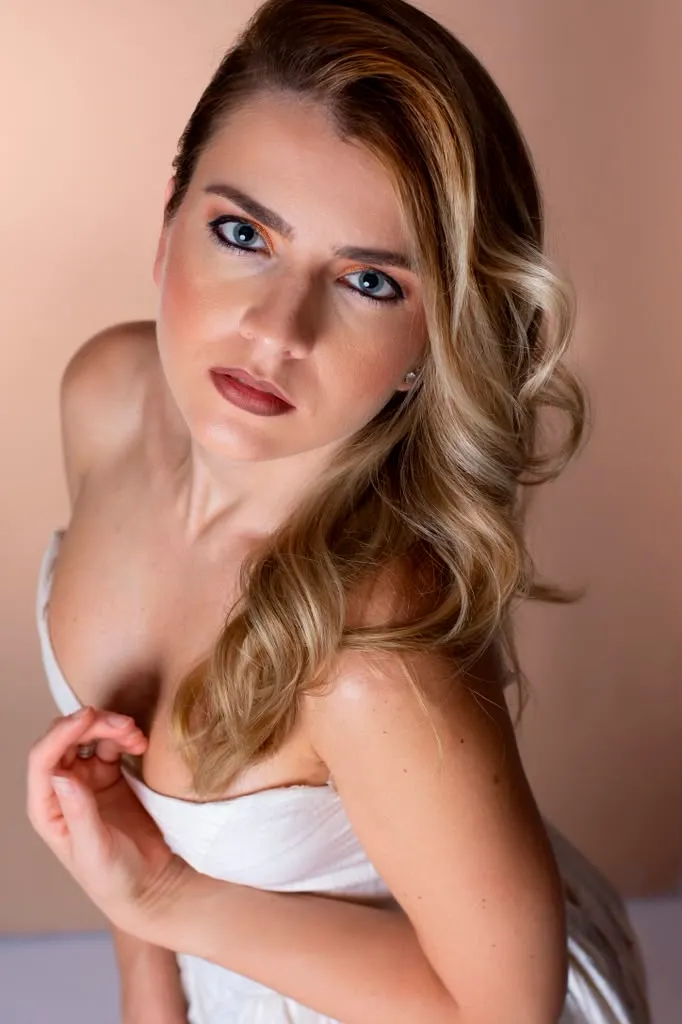
If I had to name the one request I've heard most in my chair this year, it's some version of "I want to look like me, just better." Nobody is asking for a mask. They want skin that looks like skin, a bit of glow, and makeup that doesn't announce itself from across the room. That's what people mean when they say skin-first glam.
So What Is It, Really?
It's a way of working more than a single look. Instead of starting with full coverage and building drama on top, we start with the skin you actually have and only add what it needs. A little concealer where there's redness. Foundation pressed in thinly, sometimes only through the centre of the face. Cream blush instead of powder so the cheeks move with you.
You can still have a strong eye or a bold lip. The difference is that the base underneath looks real, so the whole face reads as fresh rather than heavy.
Why It's Taken Off
Part of it is the camera. Phones and high resolution video pick up every layer, and thick makeup can look flat or cakey up close. Part of it is comfort. Clients want to wear their makeup for ten hours without feeling it. And honestly, people have started taking better care of their skin, so there's more to show off.
How I Build It
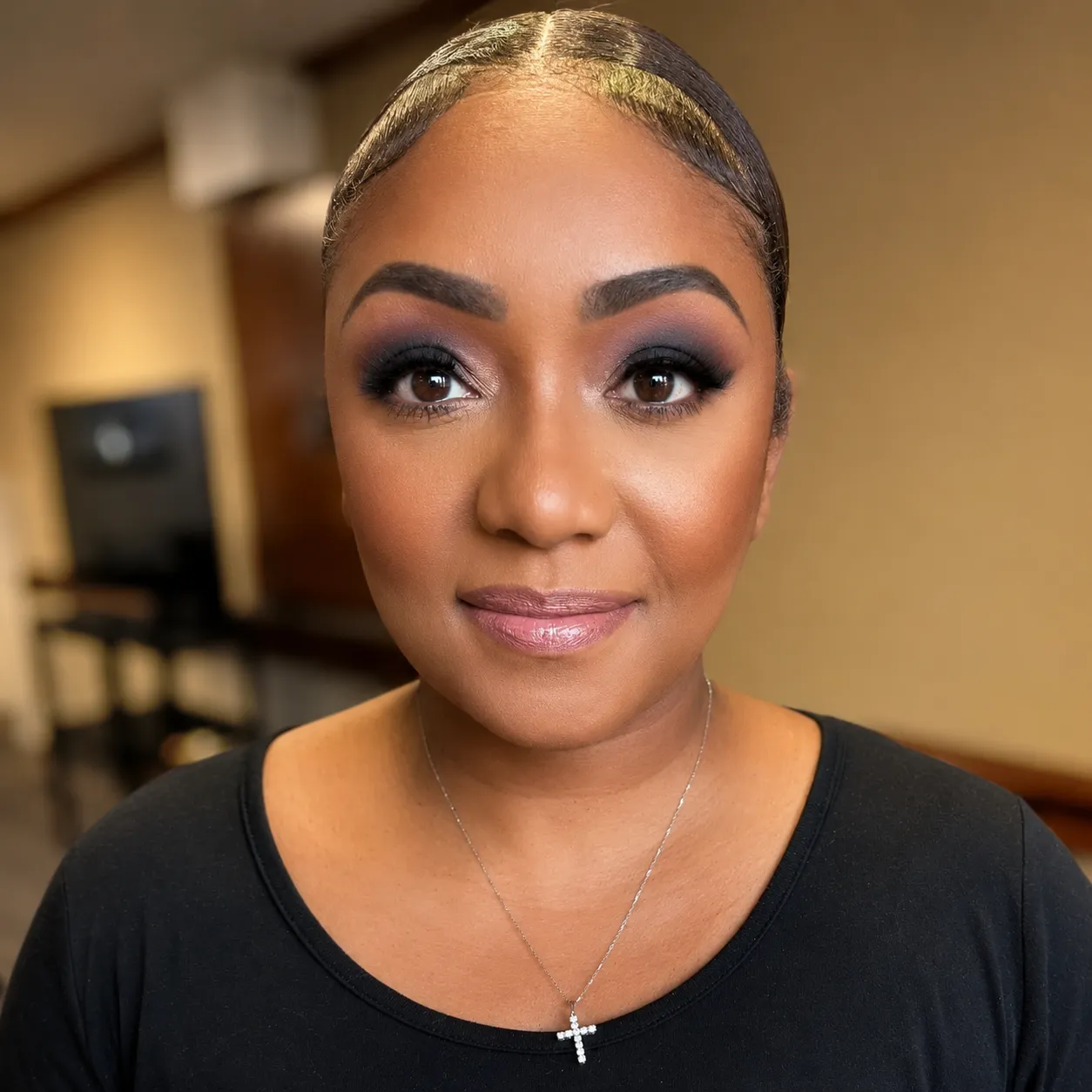
Prep does most of the work. I spend longer on hydration and massage than on anything else, because a plumped, smooth canvas needs far less product. Then I go in with a light, flexible base, set only where you get shiny, and finish with a cream highlight on the high points so the light catches you naturally. The whole thing should feel weightless.
Making It Work at Home
Look after your skin barrier first. A gentle cleanser, a good moisturiser and daily SPF will do more for this look than any primer. When you apply makeup, use your fingers or a damp sponge, and stop a step earlier than you normally would. You can always add a little more. It's much harder to take it away.
Skin-first glam isn't about hiding anything. It's about letting your face be the main event, with makeup that quietly backs it up.

